

Artistic Director
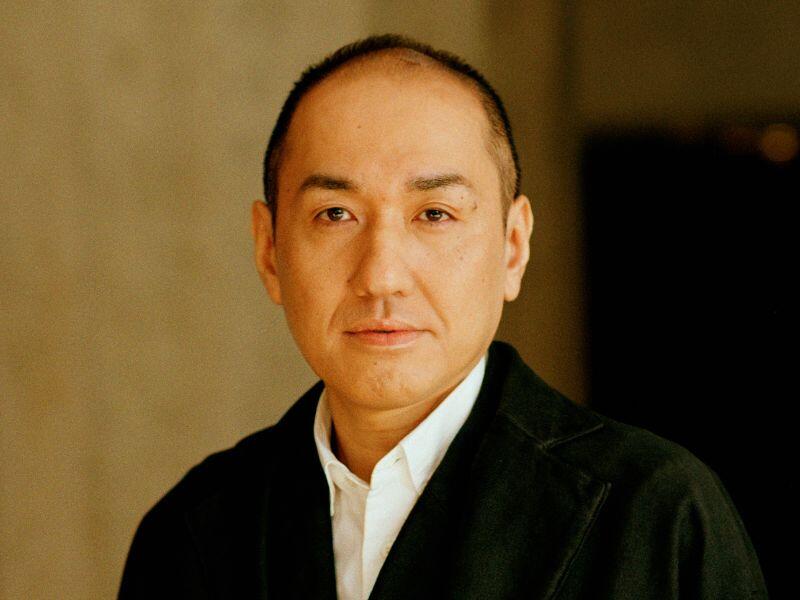
KAMIMURA SatoshiARTISTIC DIRECTOR OF DRAMA
Message
Theatre originated with Greek tragedy in ancient Greece and, through the rich traditions of the Middle Ages, flourished during the Renaissance with Shakespeare at its centre. Since then, it has continued to evolve--from modern theatre, which examined society through the lens of realism, to contemporary theatre, which has expanded expressive possibilities through diverse theatrical languages--remaining closely connected to the spirit of each era. I think that the joy of creation experienced by both creators and audiences serves as the foundation for development.Now, with social values rapidly diversifying, precisely because theatre is primarily stories told through words and physical movement, it must provide broader perspectives and worldviews, and it must provide imagination to develop the future, while stirring the emotions of those of us living today. My primary guiding principle during my tenure will be helping theatre to evolve as times change. In other words, our goal will be updating the stories shared through theatre. To do this, we will be creating programmes considering the following four foundational points.
1.Contemporary, international and critical works
Whether a new work or a classic play, we will aim to create works that meet three criteria: contemporary works highlighting concerns to be addressed, international works focused on global standards and critical works fulfilling the role of theatre in society.
2.Crossover works linking to other genres
In order to further develop new methods of expression, we aim to create works intentionally crafted to interact with other genres, such as music, dance, literature, manga and film.
3.Encountering new talent
In order to develop the next generation of theatre, we aim to be a place to introduce new talent and foster interaction and exchange.
4.Performances that go beyond consumption
By making long-term use of theatre resources and devising formats for restaged works, we hope to achieve performing arts that contribute to society and will not simply vanish when the final curtain falls.
In Japan, what is the role of a national theatre in contemporary drama? I hope that we can consider both the development of international society and contemporary Japanese society as we clarify our concept in response to this question. In order to do so, I will make every effort to responsibly oversee an environment where both creators and the overall theatre where audiences gather can enjoy psychological and physical freedom. I look forward to a wonderful season together with you all.
Biography
Born in Tokyo in 1979. Worked as a freelance director. Will serve as Artistic Director of Drama at the New National Theatre Tokyo starting in September 2026. In 2009, he was a recipient of the Agency for Cultural Affairs' Program of Overseas Study for Upcoming Artists and studied abroad in England and Germany for a year.
He has received the 22nd and 29th Yomiuri Theatre Awards' Grand Prize for Best Director and the 17th Mainichi Art Award Senda Koreya Prize in 2015, as well as the 56th Kinokuniya Theatre Award in 2021.
Recent major productions include Tous des oiseaux, Good Bye Lenin!, Natten är dagens mor, My Boy Jack, Vildanden, The Glass Menagerie, Forêts and Oslo, among others. At the New National Theatre Tokyo, he has directed Three Kingdoms, The White Guard, Dekalog, Angels in America, Kirare no Senta, Oresteia, The Fortress and Les Séquestrés d'Altona
Awards
| 2015 | The 22nd Yomiuri Theatre Awards' Grand Prize for Best Director |
| 2015 | the 17th Mainichi Art Award Senda Koreya Prize |
| 2021 | the 56th Kinokuniya Theatre Award |
| 2022 | The 29th Yomiuri Theatre Awards' Grand Prize for Best Director |